






Allow analytics and ad cookies? They show us which pages and ads help. Cookie policy

Answer engine optimisation (AEO) puts direct, expert-checked answers on the right pages of your website so search engines and AI assistants can surface them when buyers ask questions.
Rated 5 stars on Clutch.
Question research / Expert explanations / Search foundations
Somerset West, Cape Town / Loulé, Portugal / Working globally
A few of the brands we’ve worked with
Selected work
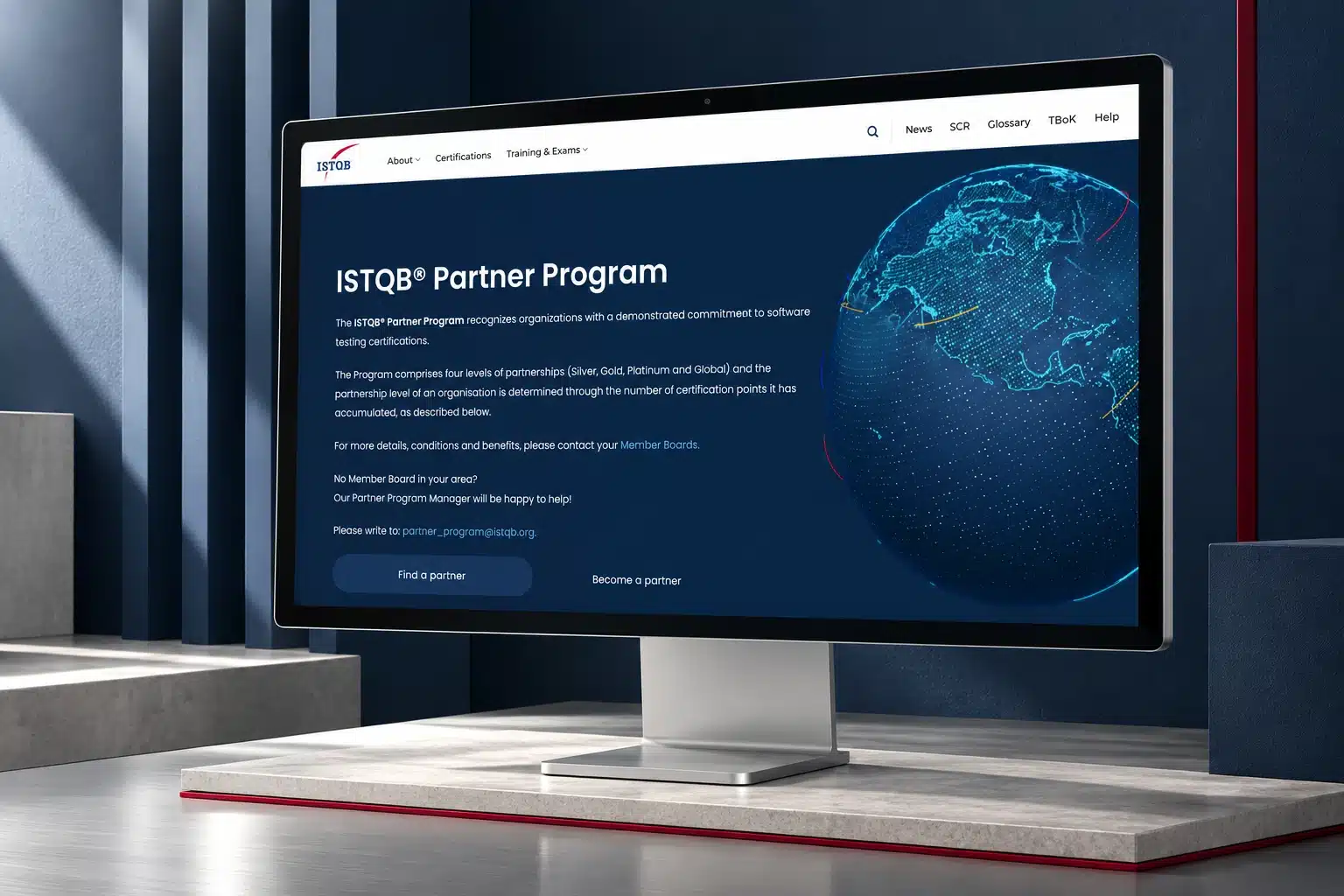
ISTQB / SEO, AEO and GEO
AI assistants such as ChatGPT now send real visitors to the ISTQB site we designed, built and maintain, on top of its Google search traffic.
9,363 visits from AI assistants, August to November 2026.
Help Start / SEO, AEO and GEO
Help Start’s site has climbed in Google and now draws visitors from AI assistants, most of whom stay to read.
Average Google position from 9.4 to 4.6, August to November 2026 against a year earlier.
Start with what people need to know
Buyers need a direct answer, enough detail to judge whether it applies to them and a way to act on it.
We match questions to the right pages and the evidence your team can provide. Search engines and AI tools decide which sources they show.
Start with your priority pages or a set group of customer questions. We set out the experts, evidence and technical work each answer needs to be reliable.
01
Find out what customers ask while researching your products, services or subject. Prioritise the questions that shape a decision, and match each to the right page.
Question map / Audience priorities / Page recommendations
02
Write direct answers with the people who know your business. Add the context, examples and evidence each one needs, without claiming more than you can back up.
Answer briefs / Expert-reviewed copy / Supporting evidence
03
Review page structure, internal links and schema markup, which labels content for search engines. These help clarify what each page covers.
Content structure / Internal links / Markup review
04
We track where your pages appear, review performance and use the findings to update the answers.
Result observations / Performance context / Content updates
Working together
We research customer questions and draw on your team’s expertise to develop clear answers for the right pages.
01
Review customer conversations, existing pages and the subjects your team needs to explain.
02
Agree which questions belong where, the evidence needed and who will review the facts.
03
Write and organise the answers, then check the links, structure and technical set-up.
04
Review search appearances and performance data before deciding which answers to refine.
We run AEO alongside SEO, GEO and ChatGPT ads, and compare providers in our South African SEO guide and AI search guide.
SEO helps your website rank in search; AEO focuses on answering buyers’ questions clearly and directly. AEO builds on the same technical and content foundations, so it adds to SEO rather than replacing it.
No. Each answer needs to sit on the right page, be accurate and give the reader enough context. We look at your content and website structure as a whole, rather than adding questions everywhere.
No. Google says its AI search features don’t need special schema or AI-specific files. We add standard structured data where it accurately describes what’s on the page, alongside the usual search foundations.
No. Search engines and AI platforms choose what they display. We improve the clarity and evidence behind your answers, then report on the appearances we can observe.
The number of pages, access to specialists, evidence gathering and review requirements shape the work. We set out milestones for the changes, then track how quickly the platforms pick them up.
An answer brief pairs a real customer question with the page that should answer it. It sets out the decision the reader is making, a direct answer, the supporting evidence, any important caveats and the next step. A subject expert checks the facts before anything is published.
Yes. Take ‘Can our team update a WordPress website?’ A generic answer says yes. A useful one explains which content your team can edit, the training and access involved, and who handles maintenance. Our WordPress service page shows it in context.
Bring your website and the questions customers ask most often. In 30 minutes we’ll look at the gaps and tell you where we’d start.
Share the questions buyers ask before choosing you. We’ll look at how well your website answers them and what could be clearer.
A 30-minute call. No brief needed.
WordPress is our core craft. We design, build and look after sites that work for the visitor and the editor. Automattic for Agencies Pro Partner.
Design and build
Websites that are clear, fast and easy to use.
Stores and platforms
Online stores and digital tools shaped around your business.
Your ongoing digital partner
Website care, every month.
We keep your website updated, backed up and monitored, and improve it as you grow.
Not sure where to start?
Your ongoing digital partner
Design from a team that knows your brand.
Website updates, social graphics, email signatures and brand materials, handled by one team.
Not sure where to start?
Paid media
Content and nurture
Your ongoing digital partner
Your marketing team, extended.
Add our specialists to the team you already have, or let Geeklab coordinate the wider agency remit.
Not sure where to start?
Search
Your ongoing digital partner
Search is ongoing work.
Technical fixes and content, planned alongside the rest of your marketing.
Not sure where to start?